INTRODUCTION
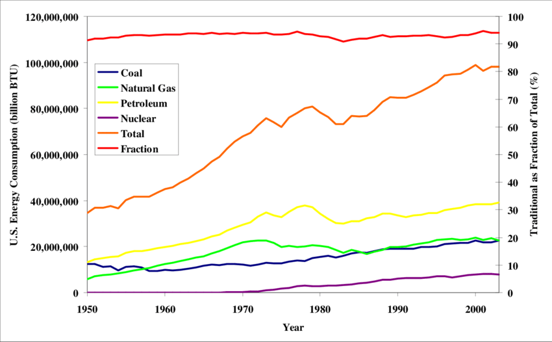
As the human race tends towards innovation, the use of energy sources has reached the maximum limit. Human race has undeniably relied on non-renewable sources of energy for a very long period of time that it will not take more than a few centuries for natural sources to fade away. Although there are some countries in the world which are trying to completely rely on alternative sources of energy it doesn’t seem to stop the use of limited natural resources. So it is where portable sustainable energy systems comes in. If there are portable energy generators which high efficiency, produced and used in large scale in every home, it will be a new revolution towards saving the resources of next generation. In this research we are displaying the design making of such energy sources that can revolutionize the future.
PORTABLE SUSTAINABLE ENERGY SYSTEMS
Portable sustainable energy systems are compact, mobile setups designed to generate electricity using renewable energy sources such as solar, wind, or kinetic energy. These systems typically include solar panels, small wind turbines, or kinetic generators, along with storage batteries and necessary electrical components, all integrated into a portable unit.
Portable sustainable energy systems offer numerous advantages over traditional large-scale alternatives. Firstly, their mobility enables energy provision in remote or off-grid areas where conventional infrastructure is lacking, facilitating disaster response, outdoor events, and temporary installations. Secondly, their scalability allows for flexible adaptation to varying energy demands, catering to both individual needs and larger commercial applications. Thirdly, the rapid deployment capabilities of portable systems ensure quick setup and operation, crucial in emergency situations or urgent energy requirements. Lastly, their reduced environmental impact, stemming from smaller footprints and localized operation, contributes to sustainability goals while promoting energy access and resilience in diverse contexts. Last but not the least, these systems offer adaptability to various energy demands, as they can be scaled up or down efficiently, catering to both individual needs and larger commercial applications.
PORTABLE WIND TURBINES
1) Dual Rotor Turbine
ANALYSIS: Dual rotor turbines offer several advantages over regular turbines, primarily due to their innovative design. With two sets of blades rotating in opposite directions, dual rotor turbines can capture more wind energy, leading to increased energy production. This enhanced energy capture capability allows dual rotor turbines to operate more efficiently than regular turbines, particularly in areas with fluctuating wind patterns or low wind speeds. Additionally, the counter-rotating blades help reduce turbulence, improving airflow and further boosting efficiency. As a result, dual rotor turbines often start generating power at lower wind speeds compared to their single rotor counterparts, extending their operational range and maximizing energy output. Moreover, the balanced forces exerted by the dual rotors can enhance reliability and durability, leading to reduced maintenance costs and longer lifespan.
While the exact efficiency improvement varies depending on factors such as wind conditions and turbine specifications, studies have shown that dual rotor turbines can be 5% more efficient than regular turbines, extracting more energy from the same wind resource compared to regular turbines.
2) F1 Liam Wind Turbine
ANALYSIS: The Liam F1, a revolutionary domestic-use wind turbine crafted by Archimedes, a pioneering research and development firm from the Netherlands, heralds a new era of clean energy for residential homes. With its virtually soundless operation and impressive 80% yield, far surpassing the conventional maximum of 25%, the Liam F1 stands as an enticing choice for homeowners seeking a tranquil environment without compromising on energy efficiency. Engineered with a distinctive screw-like design by Richard Rujitenbeek, it minimizes resistance and maximizes efficiency, capable of generating 1,500 kWh of energy at a wind speed of 5 m/s, equivalent to half the power consumption of an average European household. Surpassing alternatives like solar panels, hydroelectric systems, and biomass heating, the Liam F1 operates at approximately 80% of the Betz Limit, boasting an overall efficiency of 47.4%. With over 7,000 turbines already sold across 14 countries, its market impact is undeniable, potentially heralding a shift towards smaller wind turbines in various applications, including water vehicles. Grounded in the philosophies of Archimedes, the company strives to provide clean energy solutions while integrating with other energy sources as necessary. In essence, the Liam F1 signifies a monumental leap forward in urban wind energy, offering households a trifecta of efficiency, silence, and sustainability.
This is the YouTube link: https://www.youtube.com/watch?v=Kx7WaMDcdaQ
3) Wind Driven exhausts as turbines
With the growth in the number of manufacturing industries and the excess hot air flow from homes, there is a high prospect for new designs of exhaust systems that can generate electricity. The major advantage of using wind-driven exhausts as turbines is their scalability in a larger scope and their ability to operate 24 hours a day, unlike solar panels that are functional only for a few hours. By harnessing the pressure difference between the interior and exterior of infrastructures, wind-driven exhausts as turbines not only tap into existing air flow but also utilize wind energy with improved efficiency through enhanced design. This dual functionality makes them highly versatile and effective in harnessing renewable energy from various sources, contributing to a more sustainable energy landscape. As industries and homes increasingly seek to reduce their carbon footprint and energy costs, wind-driven exhaust systems present a promising solution that maximizes energy generation potential while minimizing environmental impact.
PORTABLE WIND TURBINES IN NEW JERSEY
The advantages of portable wind turbines are numerous, especially when considering their potential in a region like New Jersey. Firstly, portable wind turbines offer a decentralized energy solution, meaning they can be deployed close to where electricity is needed, reducing transmission losses and the need for extensive grid infrastructure. This enhances energy reliability and resilience, particularly in remote or off-grid areas. Additionally, the average power output of 900W per turbine, based on New Jersey's average wind speed, translates to a significant daily energy production of 21.6 kWh per turbine. With nearly 3,785,346 houses in New Jersey, the cumulative energy generation from portable wind turbines can be substantial, totaling approximately 2GWh of electricity per day. This sizable energy contribution can significantly supplement the existing grid supply, potentially reducing dependence on fossil fuels and lowering carbon emissions. Moreover, the renewable nature of wind energy ensures a consistent and sustainable energy source, offering long-term reliability without depleting finite resources. Therefore, the continued utilization and advancement of portable wind turbines hold immense promise for meeting energy needs while promoting environmental sustainability and energy independence.
FEASIBILITY
Scaling portable wind turbines to a large number of houses in New Jersey is indeed feasible and holds great potential for enhancing the region's energy landscape. Several strategies can be employed to effectively deploy and scale up the use of these turbines across households:
- Standardization and Mass Production: Standardizing the design and components of portable wind turbines can streamline manufacturing processes and reduce costs through economies of scale. Mass production can further drive down the unit cost of turbines, making them more affordable for homeowners.
- Incentive Programs: Government incentives and subsidies can encourage homeowners to invest in portable wind turbines. Tax credits, rebates, and feed-in tariffs for renewable energy generation can make these turbines more financially appealing and accelerate their adoption.
- Education and Outreach: Educating homeowners about the benefits of portable wind turbines and providing technical assistance can increase awareness and acceptance. Workshops, demonstration projects, and outreach campaigns can help dispel misconceptions and build confidence in the reliability and effectiveness of these turbines.
Conclusion
In conclusion, the exploration and advancement of portable sustainable energy systems mark a significant step towards addressing the challenges posed by the diminishing availability of non-renewable energy sources. Situated at the forefront of the energy transition, embracing forward-looking solutions becomes imperative. Through the careful design and deployment of portable energy generators characterized by high efficiency and scalability, we hold the potential to revolutionize our approach to energy procurement and utilization.
The numerous benefits offered by these systems include their mobility, enabling rapid deployment, and their ability to reduce environmental impact while enhancing energy accessibility. By empowering individuals and communities to generate renewable energy on-site, we can diminish reliance on finite resources and bolster energy resilience, thereby paving the way for sustainability.
Moreover, the strategic integration of innovative technologies like dual rotor turbines and wind-driven exhaust systems serves to enhance the effectiveness and adaptability of portable sustainable energy systems. Harnessing the potential of wind and kinetic energy opens up new avenues for energy production that are both versatile and environmentally conscious.
As we navigate the complexities of transitioning to sustainable energy, collaborative efforts and innovative initiatives emerge as crucial drivers of progress. Governmental support through incentivization programs and regulatory frameworks, alongside comprehensive educational outreach initiatives aimed at raising awareness and building capacity, play pivotal roles in accelerating the adoption of portable sustainable energy systems. In essence, the journey toward a renewable energy paradigm is predicated upon a steadfast commitment to harnessing the potential of innovation and technology. Through concerted collective action and unwavering dedication to sustainability principles, we stand poised to usher in an era of energy abundance where the exigencies of the present are met without imperiling the resources upon which future generations depend.